
Our base materials
We weld the two most important thermoplastics: polyethylene (PE) and polypropylene (PP). Which one suits you best depends on the application — we are happy to advise you.
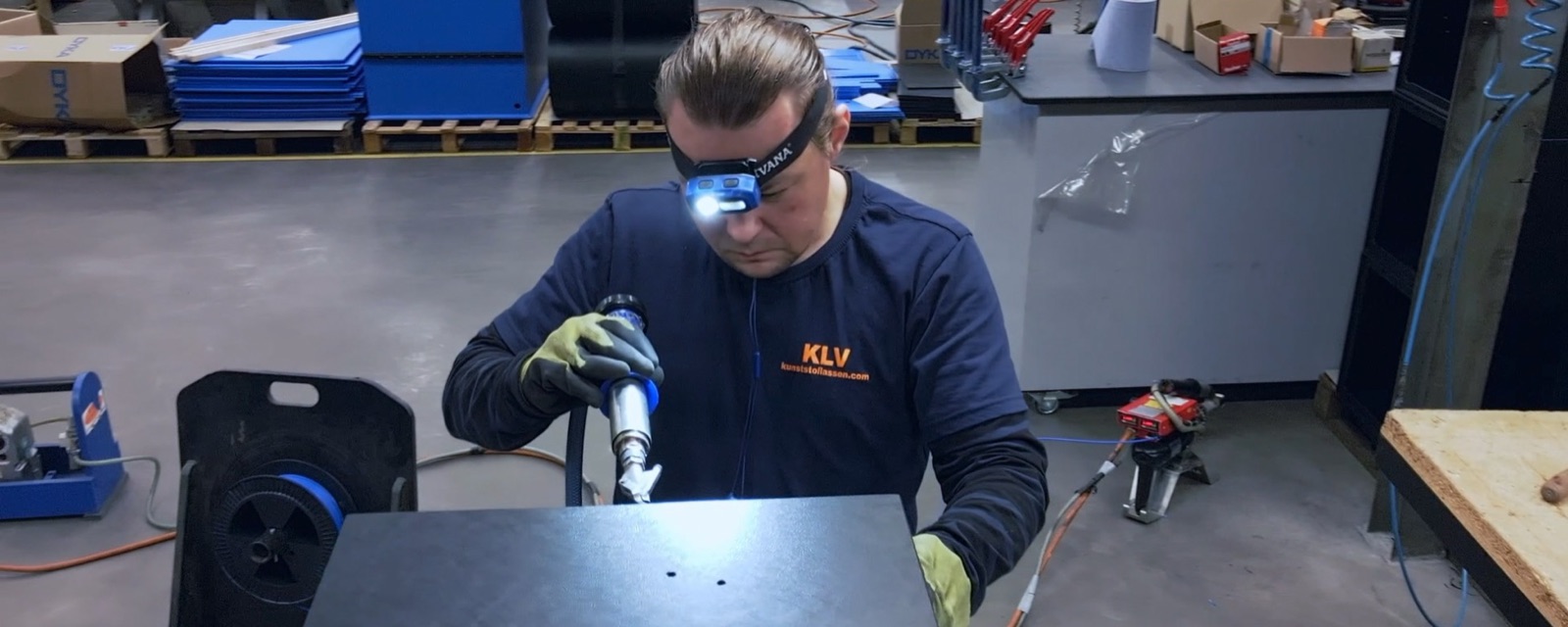
What is polyethylene?
Polyethylene (PE), also known as polythene, is the most widely used plastic in the world. PE is recyclable, strong, tough and resistant to chemicals, acids, alkalis and solvents.
Properties of polyethylene
Polyethylene is a thermoplastic: when heated, it becomes pliable and mouldable, and after cooling it takes on a solid form again. PE is strong and tough. This property makes it a perfect plastic for machining — and for welding.
Advantages of polyethylene
PE absorbs virtually no water and has a high electrical resistance, which is why it is also used as an insulator. There are two types: low-density PE (LDPE) and high-density PE (HDPE). Thanks to its higher density, HDPE is the stronger of the two.
PE is often used for plastic tanks, chemical drums and sewer chambers. Not all plastic products can be moulded: production runs are often too small, or the construction requires joints that can only be made by welding.
Endless possibilities
We can weld polyethylene in several ways; the shape and construction determine which welding method is best. This allows us to make all kinds of products, in both HDPE and LDPE — from a single unique product to series production.
From idea to product
We are also happy to help you find the right solution during the idea and design stage. If you come to us with well-defined plans, you will receive a competitive quotation straight away.
What is polypropylene?
Polypropylene (PP) belongs to the family of thermoplastics. Polypropylene is one of the best plastics for welding.
Properties of polypropylene
PP is exceptionally strong, antibacterial and highly resistant to chemical attack by acids, alkalis and solvents. Its excellent resistance to acids is a particularly important property. PP floats on water, which is why it is often used for applications on water.
Advantages of polypropylene
Polypropylene is resistant to stress corrosion: cracking at points where mechanical stress combines with chemical attack. This can also occur in plastics, but PP is highly resistant to it.
An extremely versatile plastic
PP resists bacterial growth and is the preferred choice wherever hygiene matters. It is also ideal in situations involving heat. Polypropylene is fully recyclable; unlike PVC, it releases no hazardous substances when recycled.
Advice on welding polypropylene
PP plays an important role in our many years of experience. We are happy to advise you on the best application and construction — from the design stage onwards, for one-off or series production.
PE or PP: the key differences
Both plastics are thermoplastics that we weld; this table sets their properties side by side.
| Property | PE | PP |
|---|---|---|
| Type | Thermoplastic, available as LDPE and HDPE (HDPE is stronger thanks to its higher density) | Thermoplastic, one of the best plastics for welding |
| Chemical resistance | Resistant to chemicals, acids, alkalis and solvents | Highly resistant to acids, alkalis and solvents; excellent resistance to acids in particular |
| Strength | Strong and tough | Exceptionally strong, antibacterial and resistant to stress corrosion |
| Water and electricity | Absorbs virtually no water; high electrical resistance (insulator) | Floats on water |
| Recycling | Recyclable | Fully recyclable; unlike PVC, releases no hazardous substances when recycled |
| Typical applications | Plastic tanks, chemical drums, sewer chambers, grease separators | Air scrubbers, swimming pools, applications on water, situations involving hygiene or heat |
Unsure whether to choose PE or PP?
We are happy to advise you on the right material for your application. Call us during office hours: +31 (0)413 47 98 98