Welding techniques
KLV uses a range of techniques for welding plastics. Depending on the type of plastic and the construction, we choose the right method — for polyethylene (PE, LDPE, HDPE) and polypropylene (PP) alike.
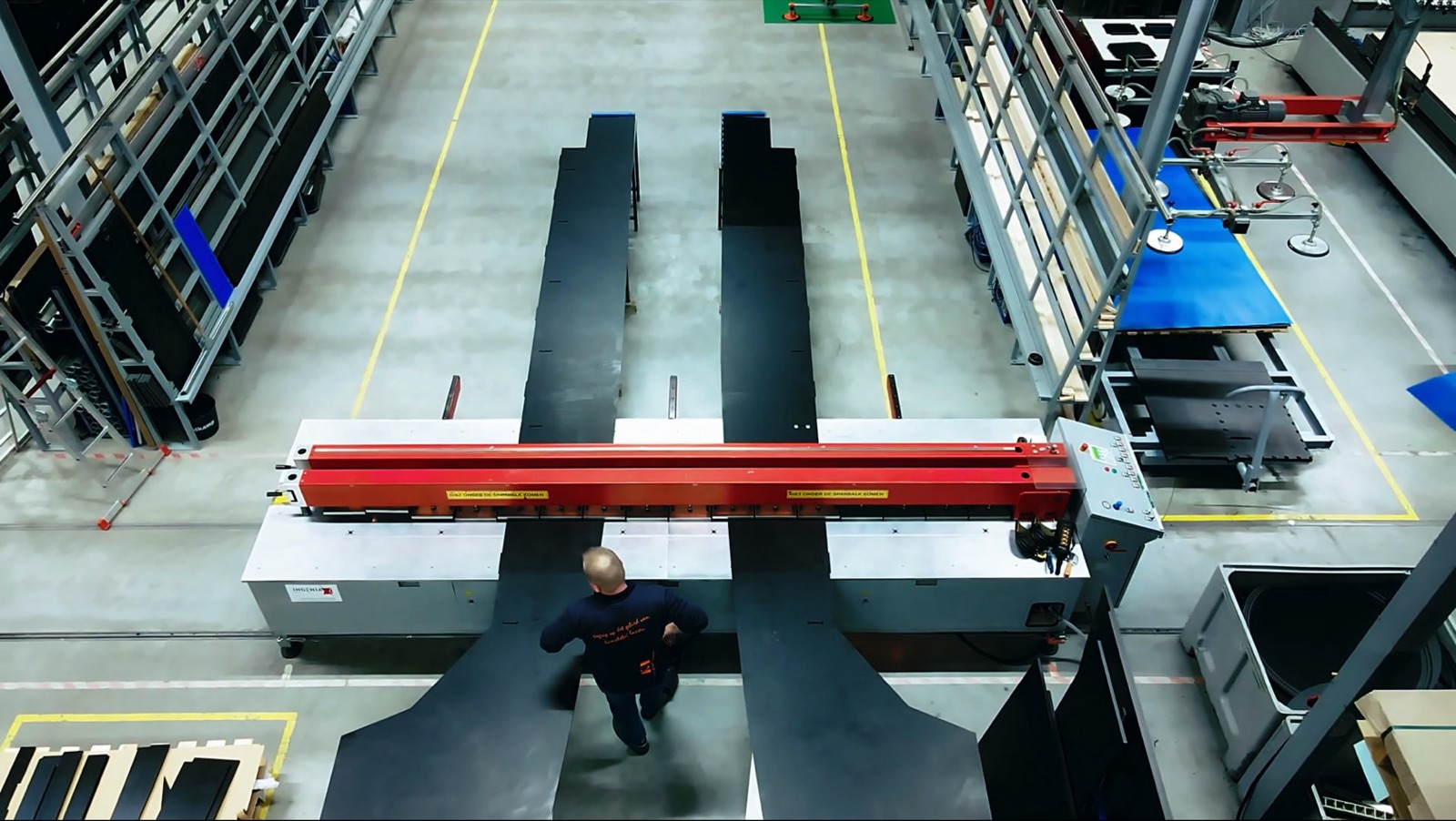
Butt welding (hot-plate welding)
In butt welding, two plastic parts are joined by fusion. A heated plate — also called a welding mirror — heats both surfaces; the plate is then removed and the parts are pressed together with force. As they cool, the molecules of both parts form a single whole. No filler material or welding rod is used.
Butt welding is suitable for plastic sheets and pipes alike. We butt weld sheet material up to 4 metres and round material up to Ø 800 mm; for pipes, we use a dedicated butt welding machine.
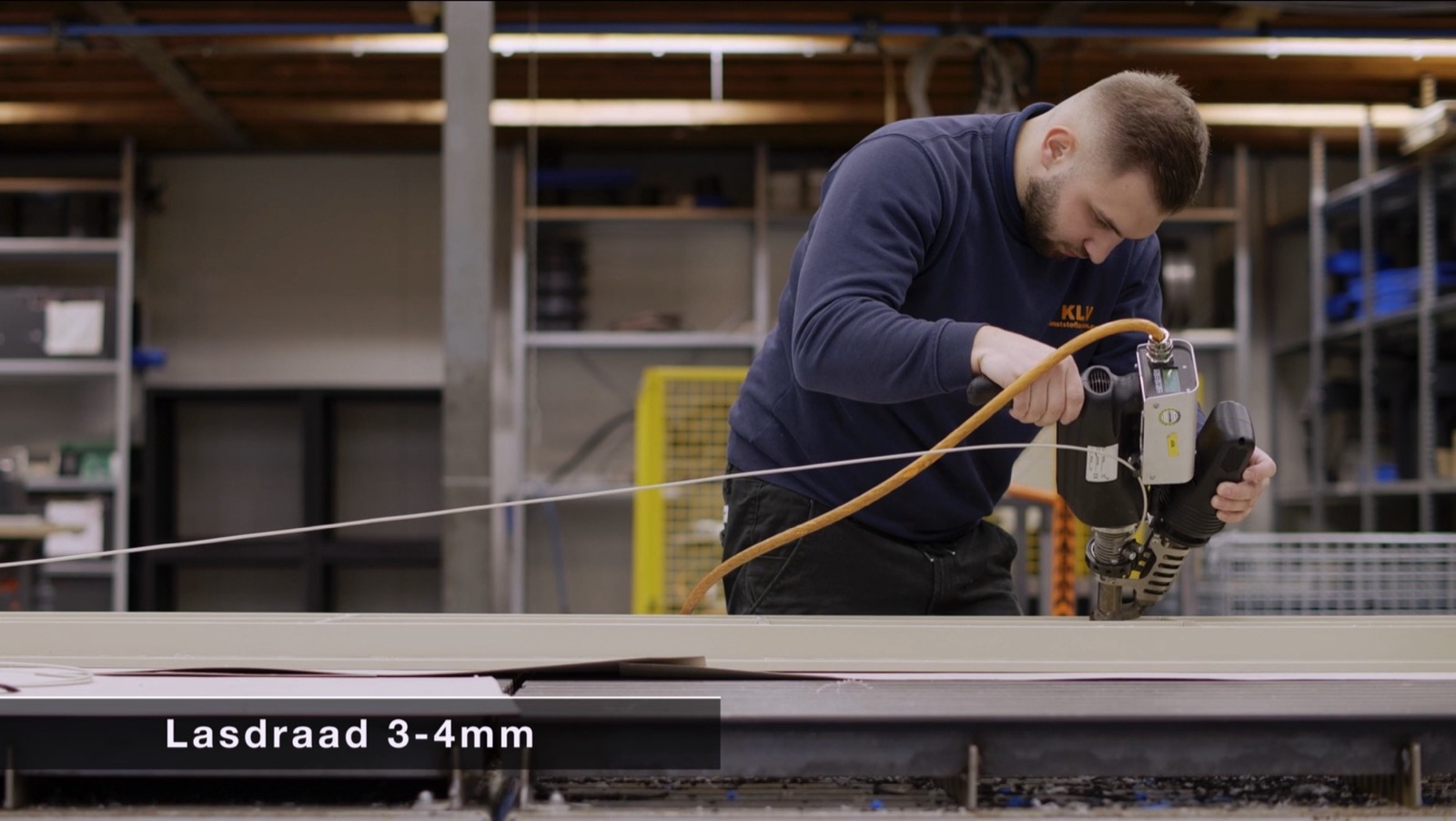
Extrusion welding
In extrusion welding, a special welding device — the welding extruder — applies heated filler material between two plastic parts. It is a manual process, comparable to welding metal with an electrode. The filler material is the same as the parts being joined: there are polyethylene and polypropylene welding wires.
Extrusion welding is the method of choice when butt welding is not possible: for non-standard constructions, special welds and hard-to-reach places. True craftsmanship.
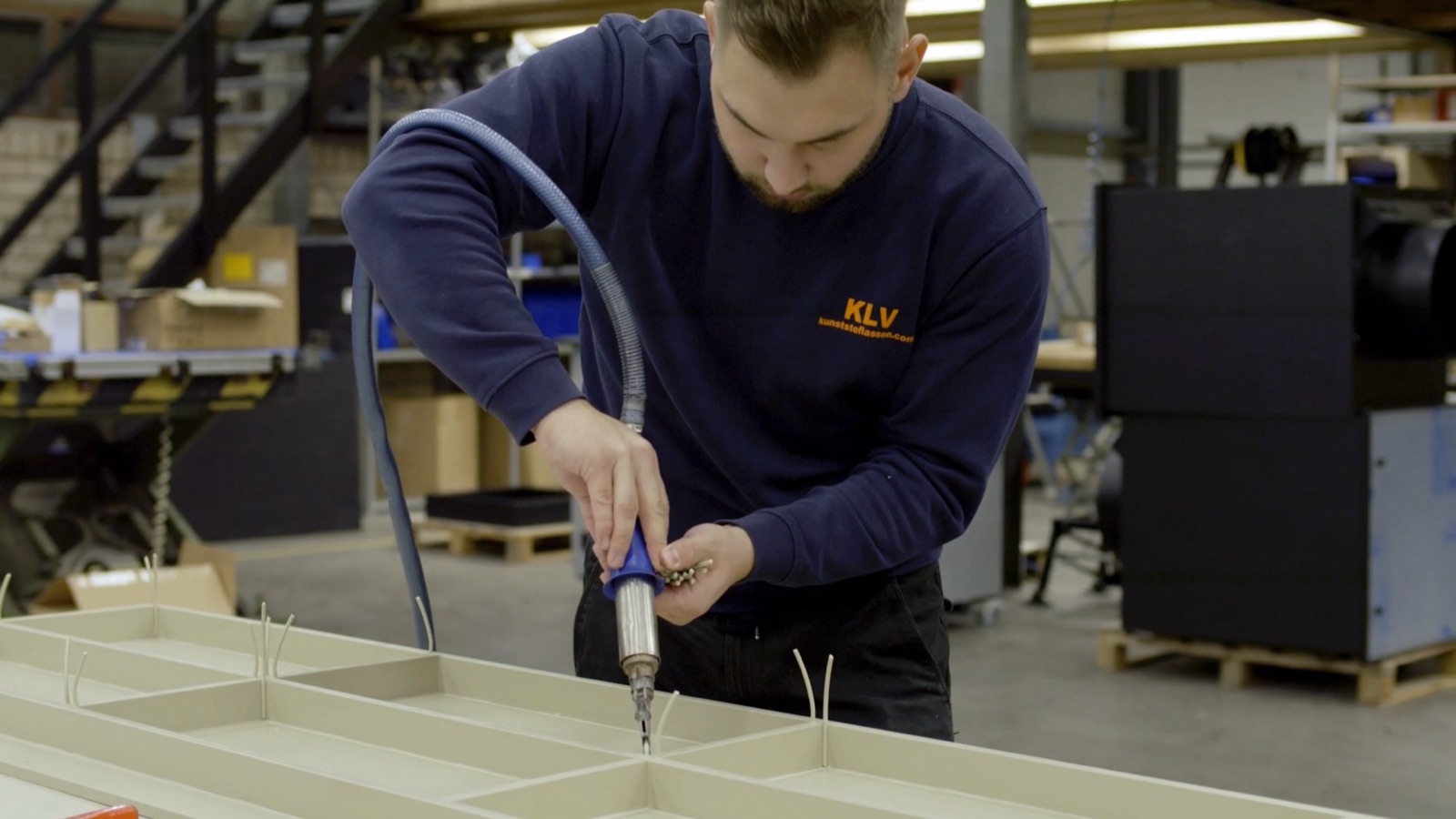
Hot-air welding
There are two ways to weld plastic with hot air. For small welds or repairs, often only the hot air is used, fusing two parts together under light pressure: tacking, without welding rod.
For a stronger weld, we use a welding nozzle with a welding rod of the same material as the parts being welded. Hot-air welding is suitable for all thermoplastics, such as PE, LDPE, HDPE, PP and PVC.
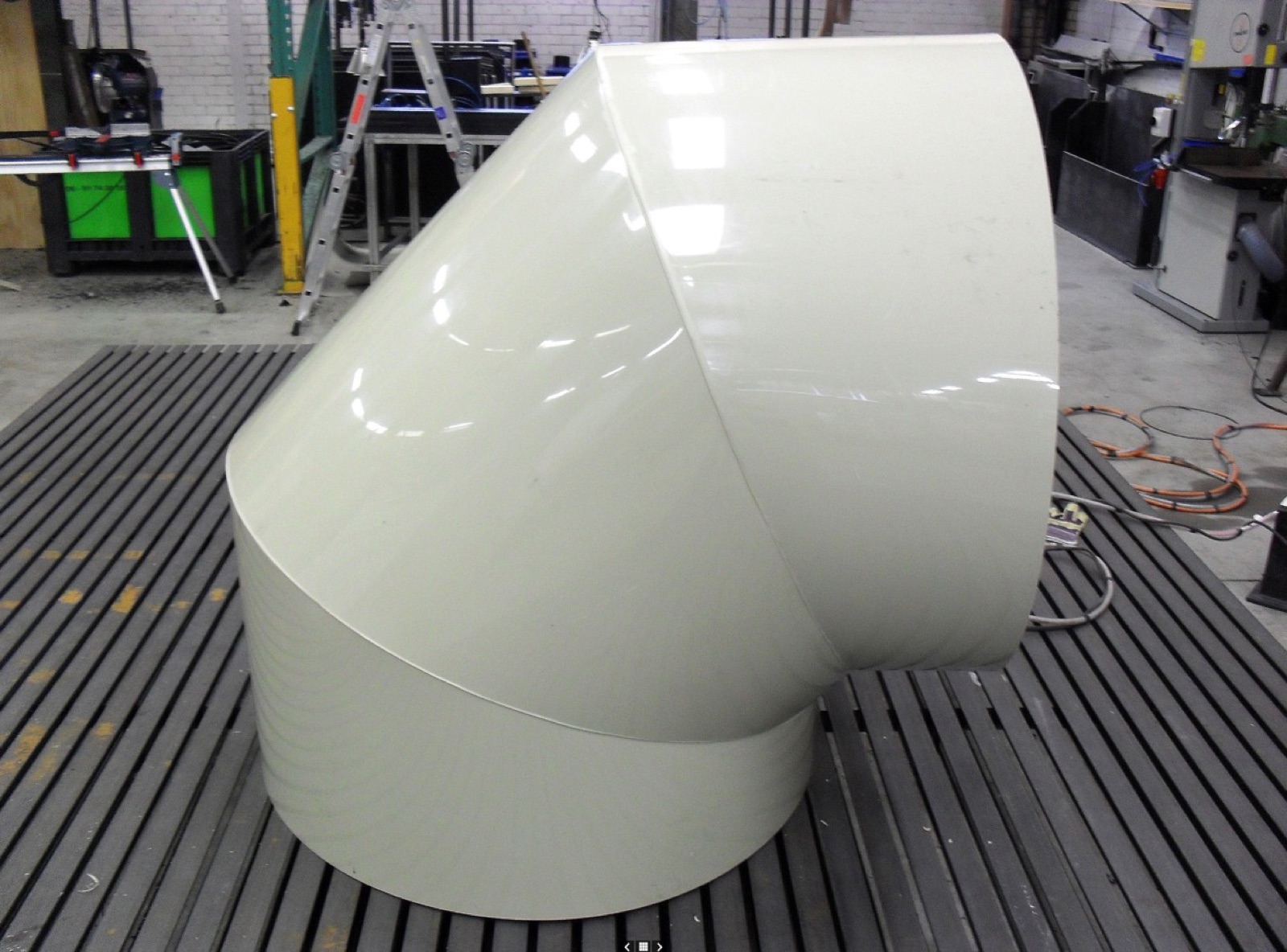
Recognised craftsmanship: DVS 2212
DVS stands for Deutscher Verband für Schweißen und verwandte Verfahren, the German Welding Society. The DVS standards are the benchmark for plastic welding; KLV works in accordance with the industrial standard DVS 2212.
The welds in our products can bear the same loads and are just as strong as the rest of the product. Our welders work to international standards for clean and safe welding.
Welding techniques in practice
Do you have a drawing or an idea?
Request a no-obligation quote or call us during office hours: +31 (0)413 47 98 98